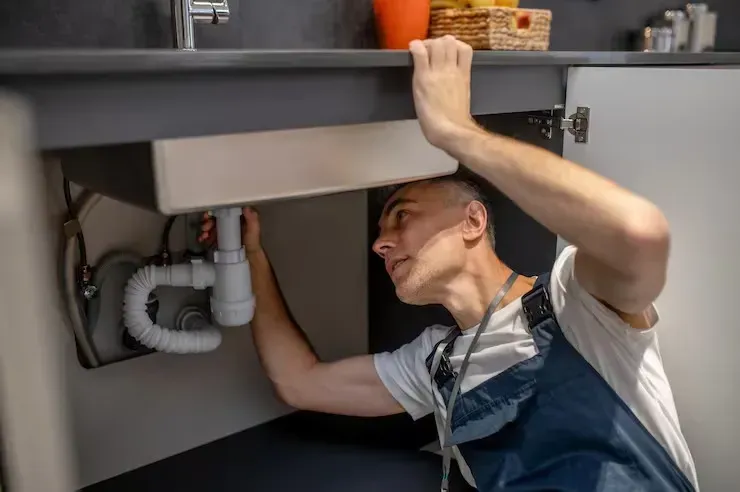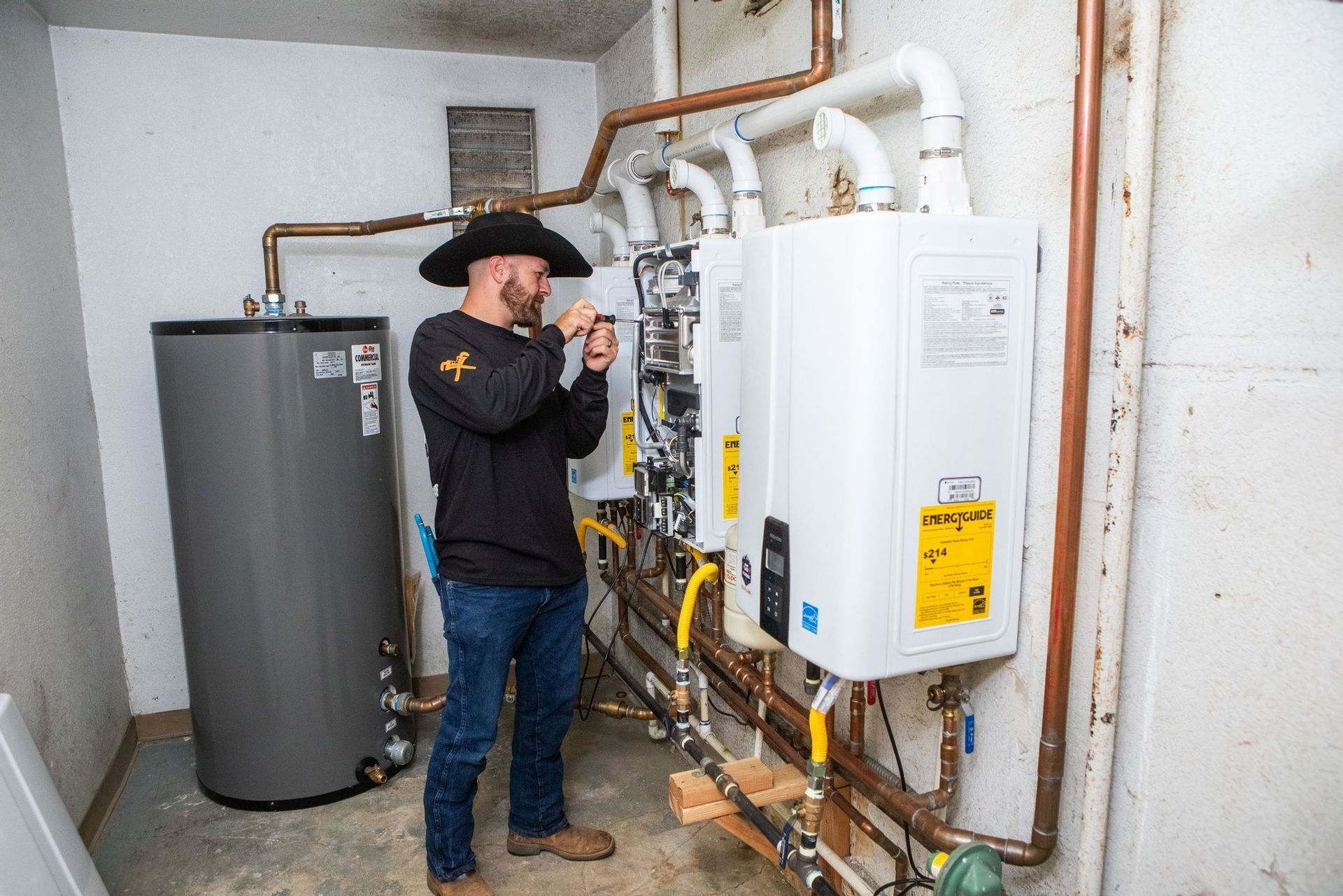


Choose a plumber who is licensed and insured, communicates clearly, provides upfront pricing expectations, and explains options without pressure. Ask about warranty, timelines, and how they protect your home during work.

Many plumbing problems come from myths, especially flushable wipes and grease disposal. Wipes do not break down like toilet paper, and grease hardens in pipes. The safe approach is trash for wipes and grease, and proper drain maintenance.
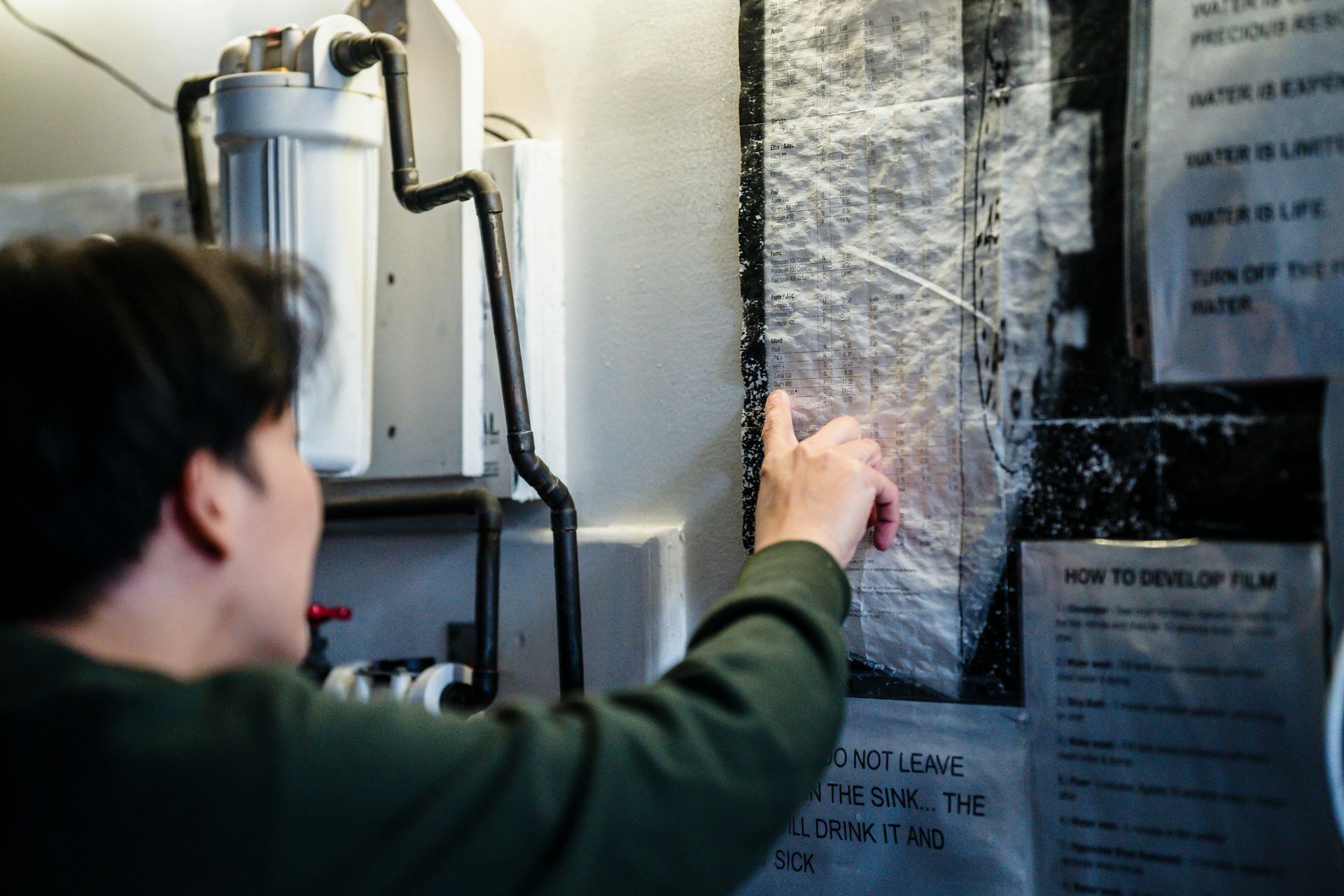
Basic water heater maintenance includes checking for leaks, controlling temperature, flushing sediment when appropriate, and inspecting key components. Routine care can improve efficiency and reduce surprise failures.
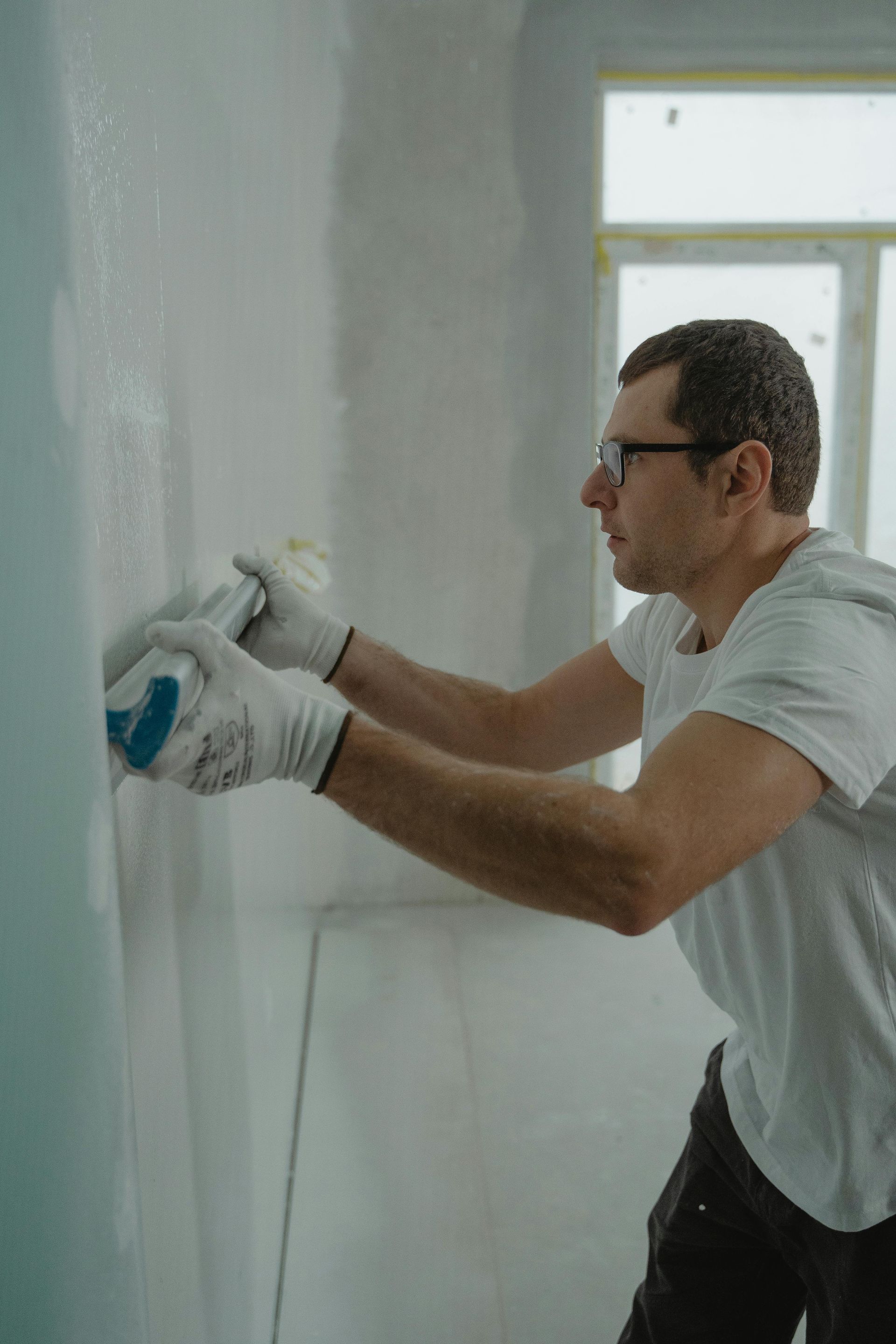
Before drywall, verify shutoff locations, drain slope, venting, fixture placement, pressure testing, and access panels. Fixing errors before drywall saves major time and cost.
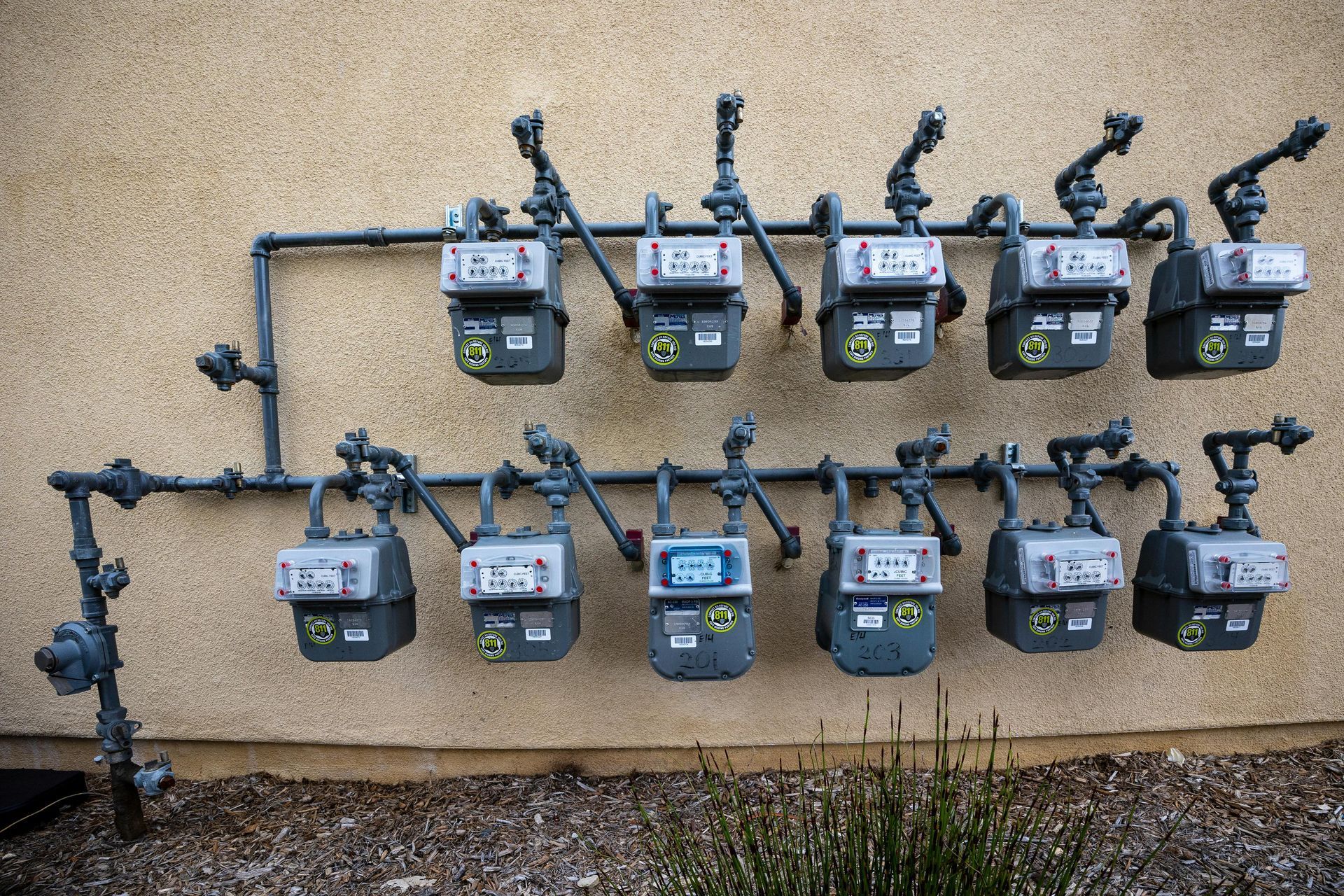
If you smell gas or suspect a leak, leave the area, avoid sparks, shut off gas only if safe, and contact the gas utility or emergency services. Then call a qualified plumber for repair and testing.
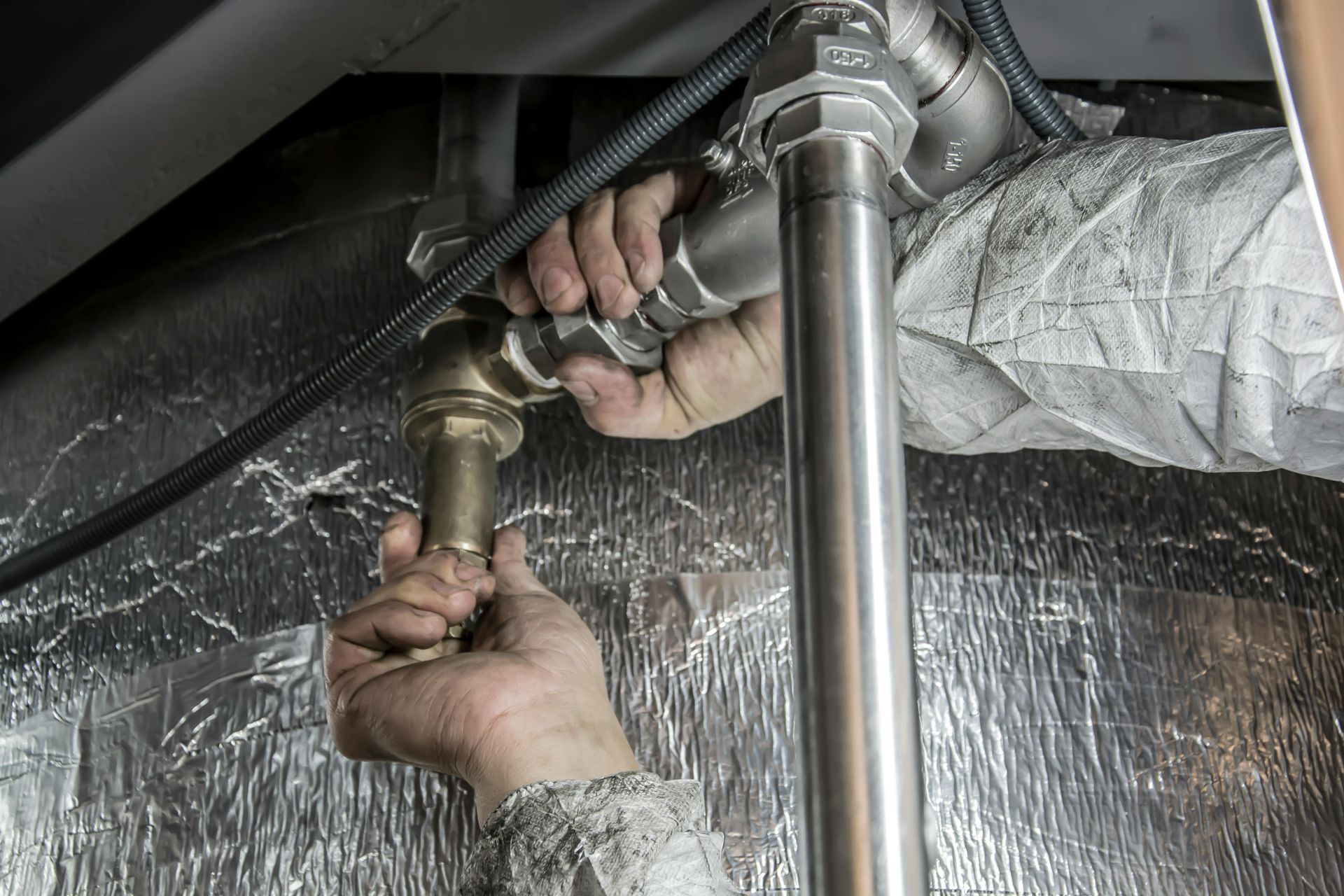
Trenchless Sewer Repair Vs Traditional Pros Cons and When Each Wins in yahoo.com Shingle Springs, CA
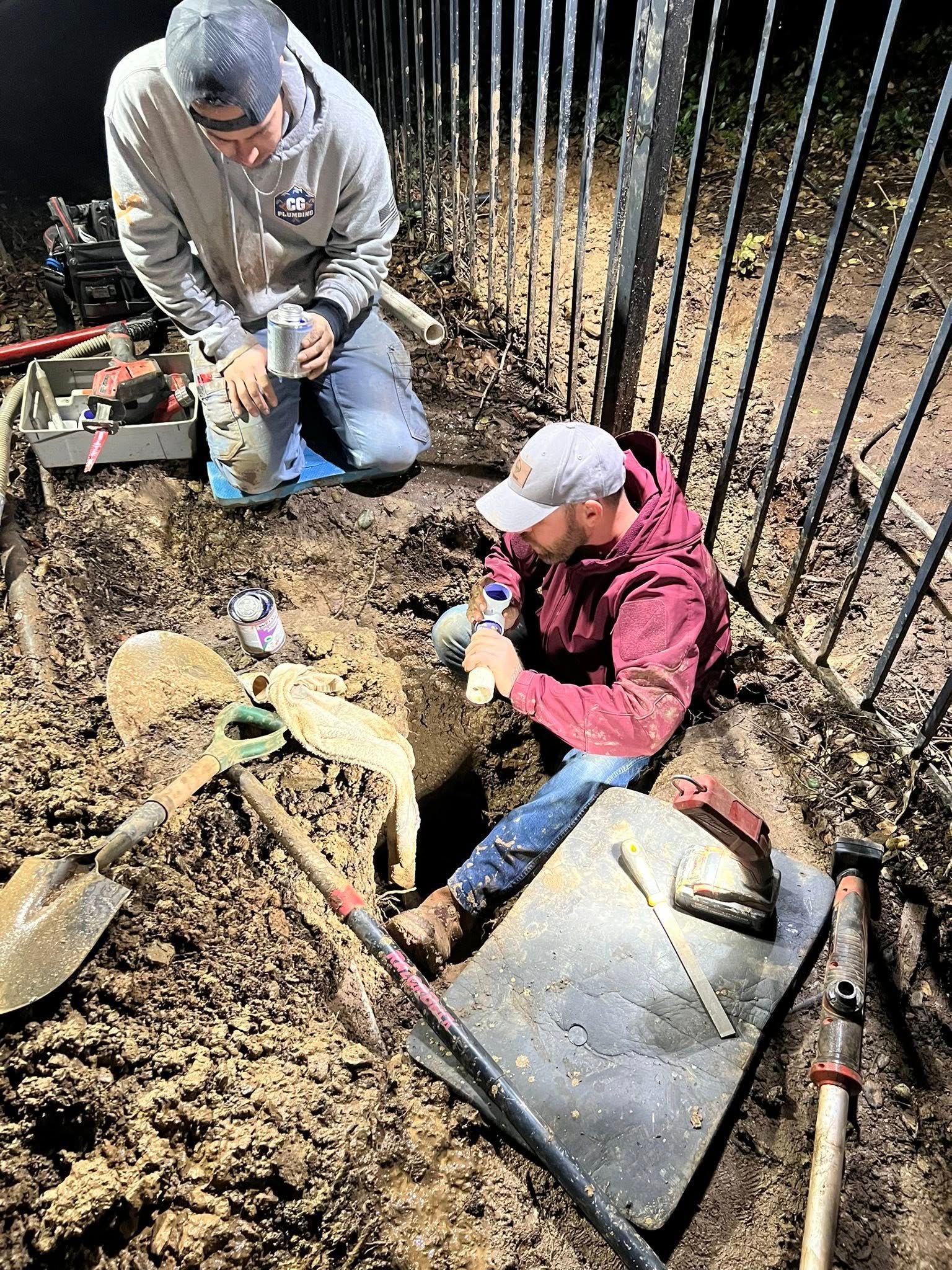
Trenchless sewer repair can reduce excavation and restore service with less disruption, but it requires the line to be a good candidate. Traditional excavation is sometimes necessary when the line is collapsed, misaligned, or inaccessible for trenchless methods.
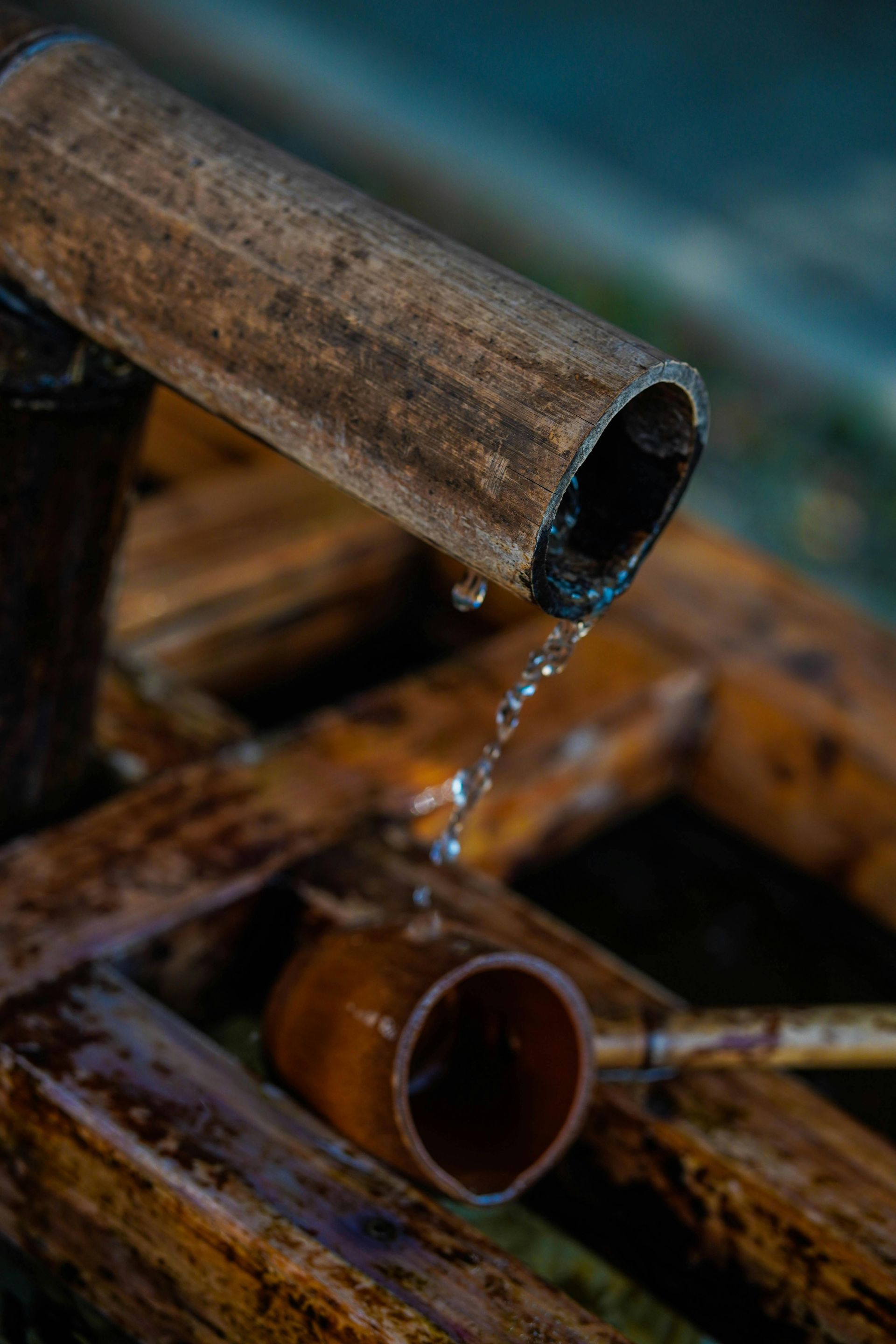
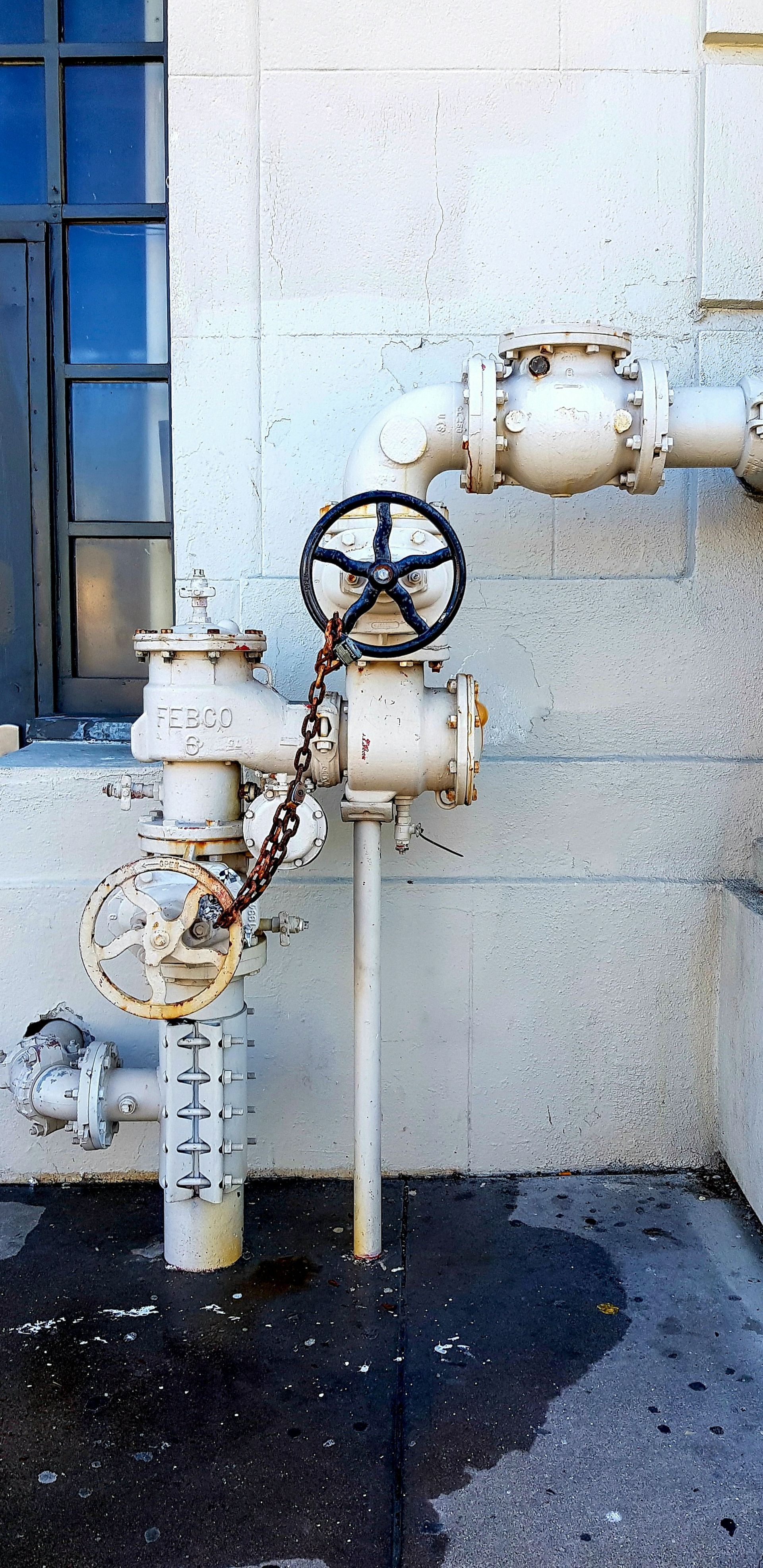
Backflow prevention protects potable water by stopping contaminated water from flowing backward into the supply. Many properties require periodic testing and documentation. A plumber can test, repair, and provide records for compliance.
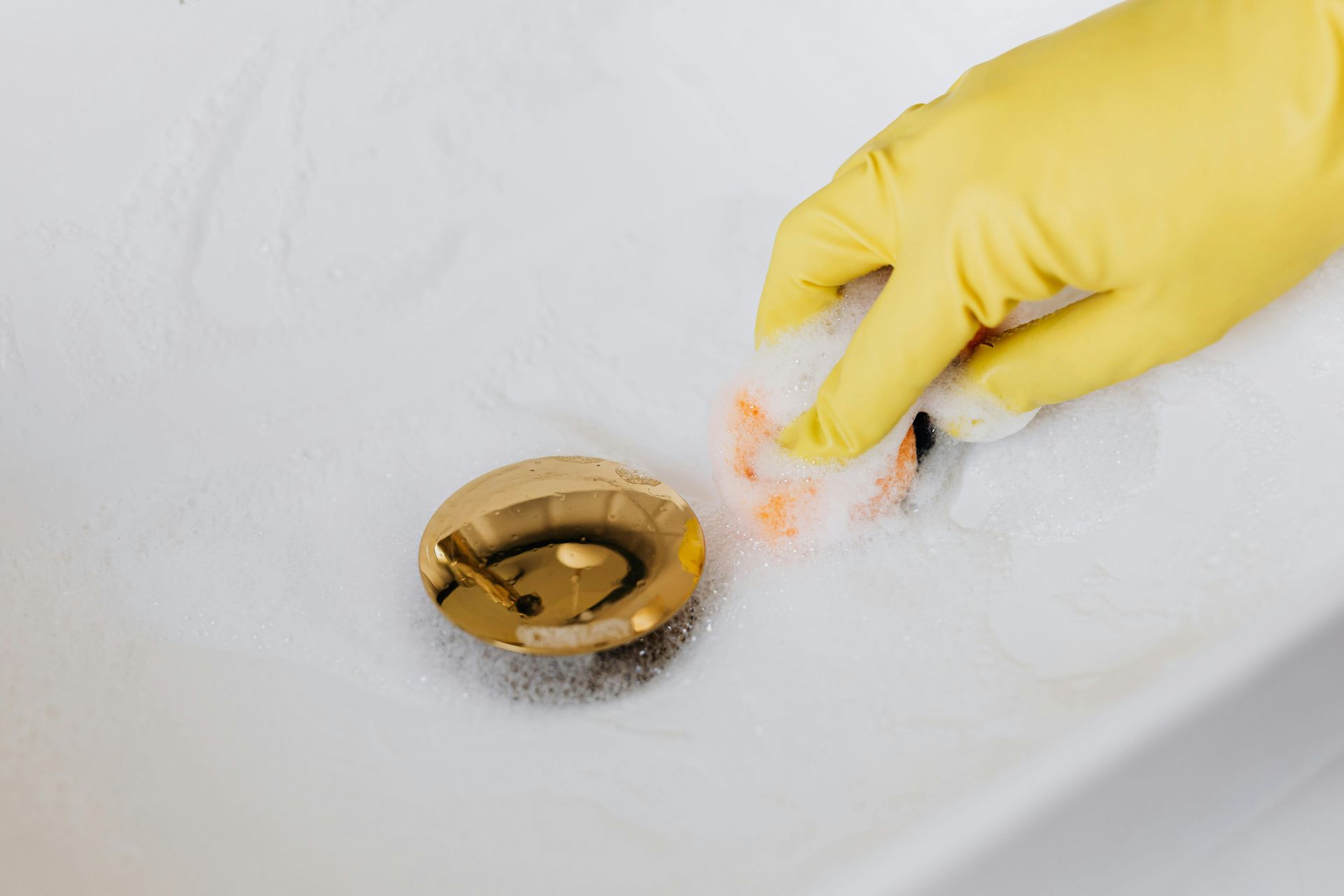
Preventative drain maintenance uses scheduled inspections and hydro jetting to reduce backups, tenant disruption, and emergency costs. It also documents line condition for budgeting and compliance.
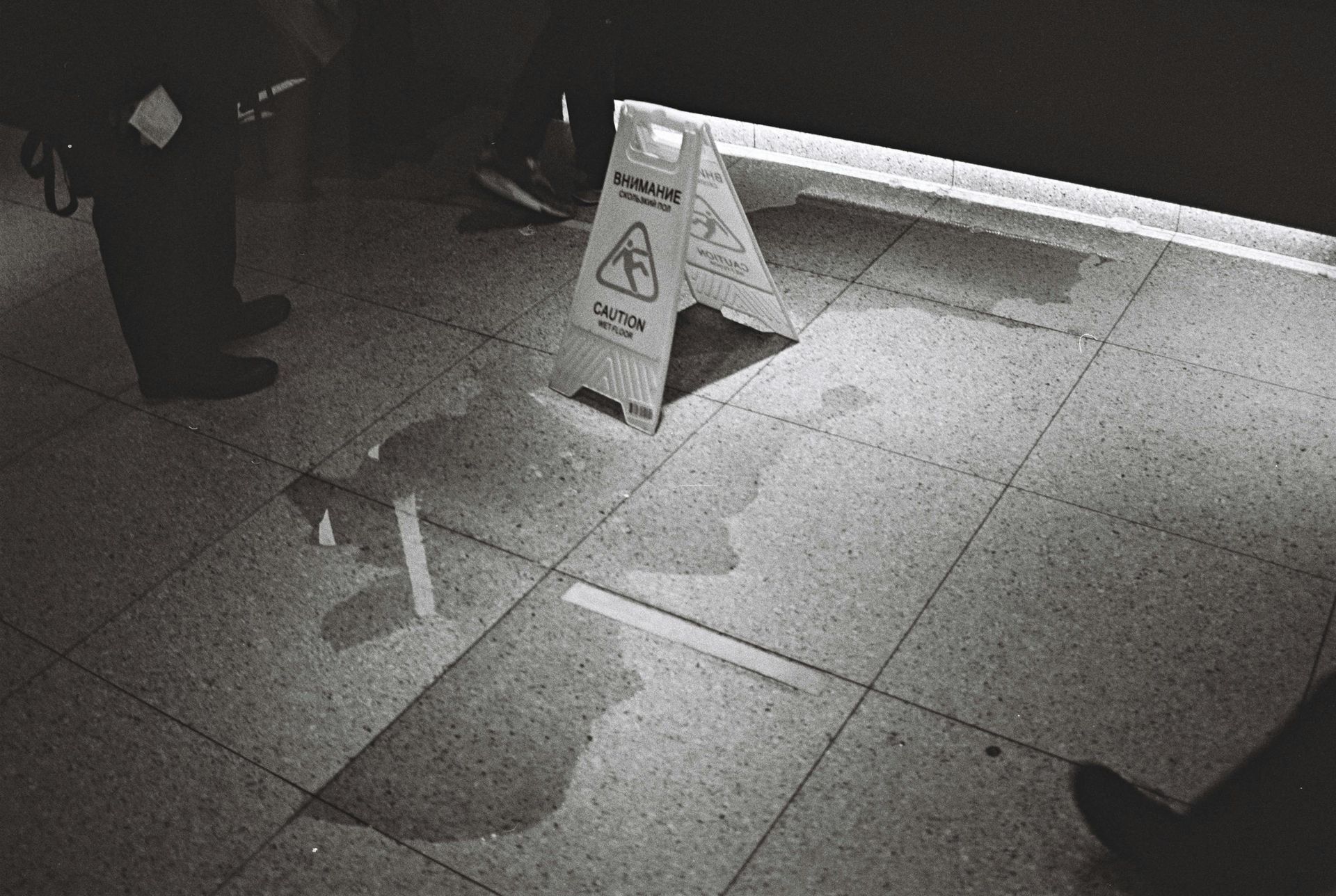
Slab leaks often show as warm spots on floors, unexplained bill increases, damp flooring, low pressure, or the sound of water when fixtures are off. Confirm with a meter test and schedule professional detection quickly.
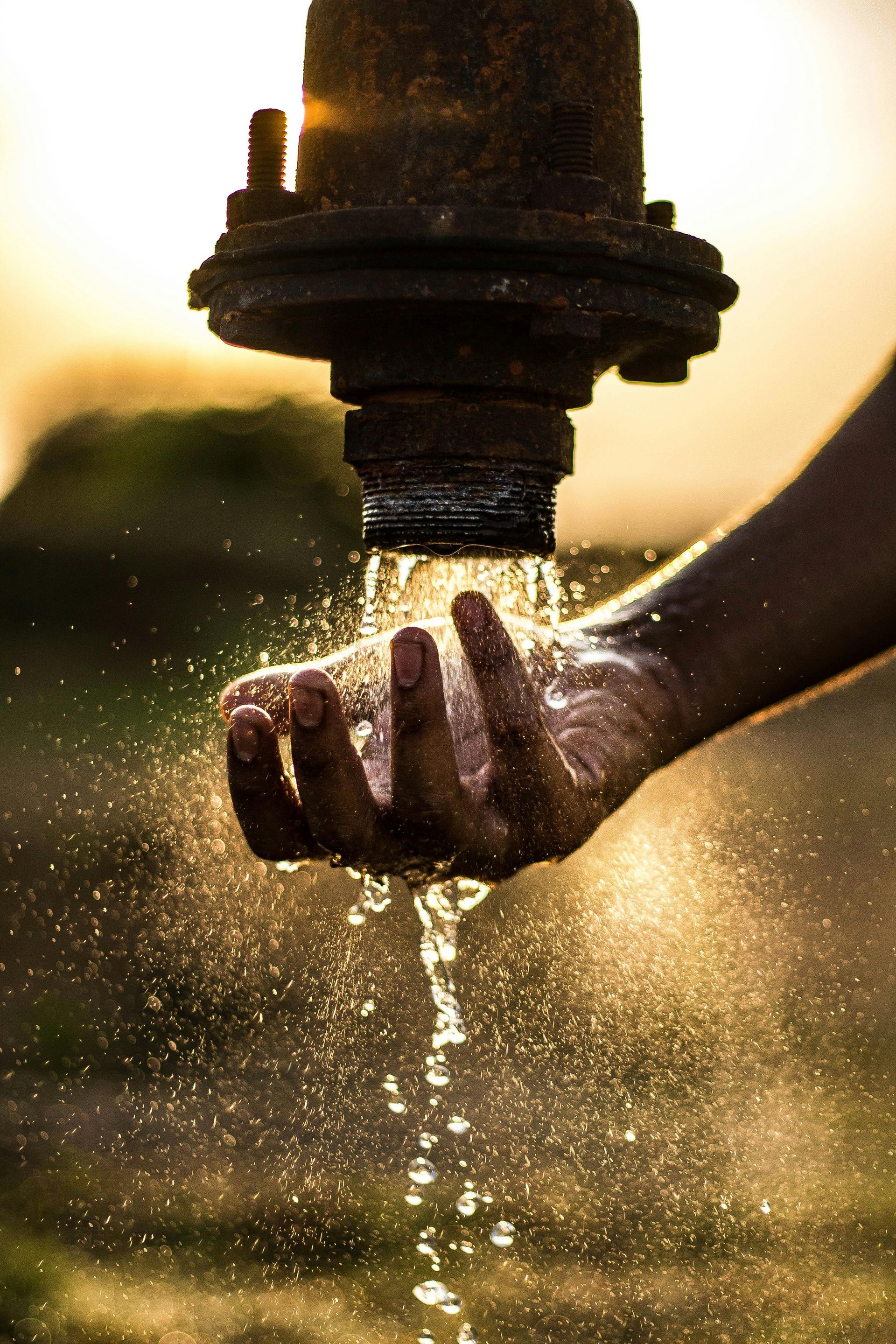
Hard water leaves scale on fixtures, reduces water heater efficiency, shortens appliance life, and makes soap less effective. Solutions include water softeners, filtration systems, and targeted maintenance.