

Trenchless Sewer Repair vs Traditional: Pros, Cons, and When Each Wins
March 9, 2026

Quick Answer

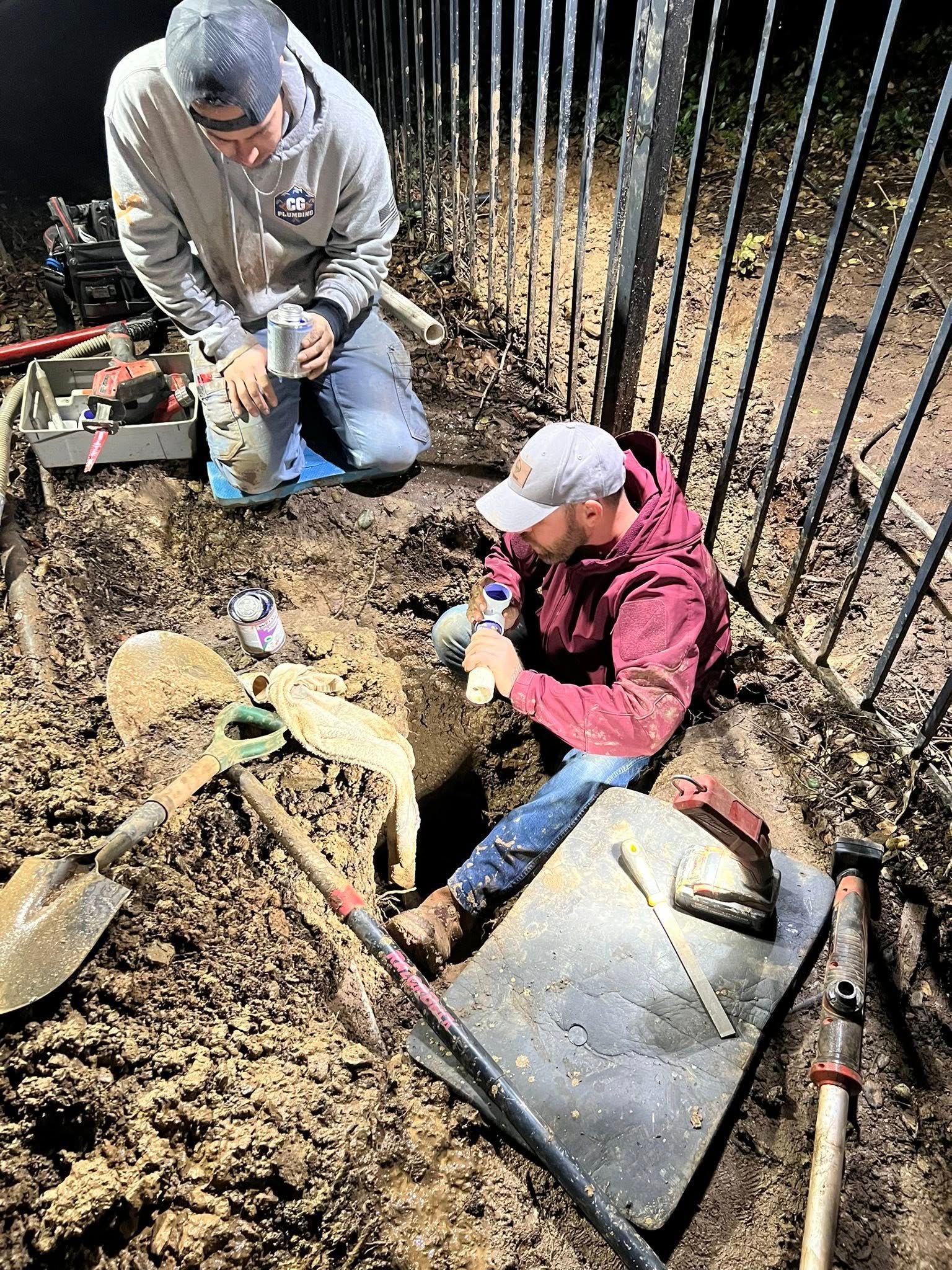
Trenchless sewer repair can reduce excavation and restore service with less disruption, but it requires the line to be a good candidate. Traditional excavation is sometimes necessary when the line is collapsed, misaligned, or inaccessible for trenchless methods.

Start with inspection

A sewer camera inspection clarifies the cause: roots, offsets, breaks, scale, or collapse.

When trenchless is a great fit

  • Localized damage with a viable host pipe
  • You want minimal landscape disruption
  • Long runs under concrete or hardscape

When excavation may be necessary

  • Collapsed or severely misaligned pipe
  • Major section replacement needed
  • Access limitations prevent trenchless equipment

FAQ

  • Is trenchless always cheaper?

     Not always, but it may reduce restoration costs.

  • Does trenchless fix roots?

    It can prevent intrusion if the line is properly repaired.

  • How long does it last?

    Depends on method and installation quality.

CG Plumbing can inspect your line and recommend the cleanest option that holds up long term.

March 9, 2026
Many plumbing problems come from myths, especially flushable wipes and grease disposal. Wipes do not break down like toilet paper, and grease hardens in pipes. The safe approach is trash for wipes and grease, and proper drain maintenance.
March 9, 2026
Before drywall, verify shutoff locations, drain slope, venting, fixture placement, pressure testing, and access panels. Fixing errors before drywall saves major time and cost.
March 9, 2026
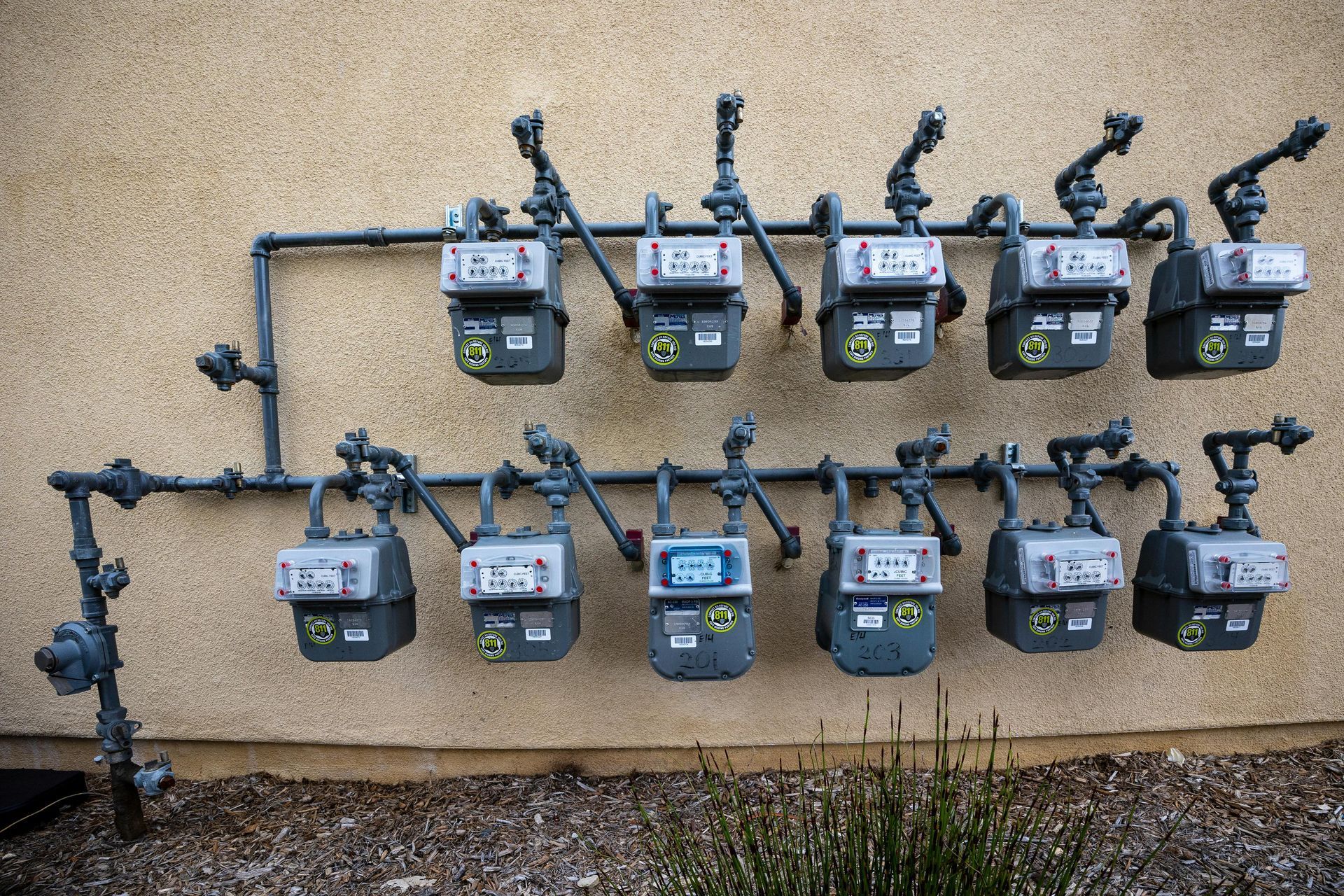
Irrigation systems Commercial buildings Multi unit properties Facilities with special equipment connections
March 9, 2026
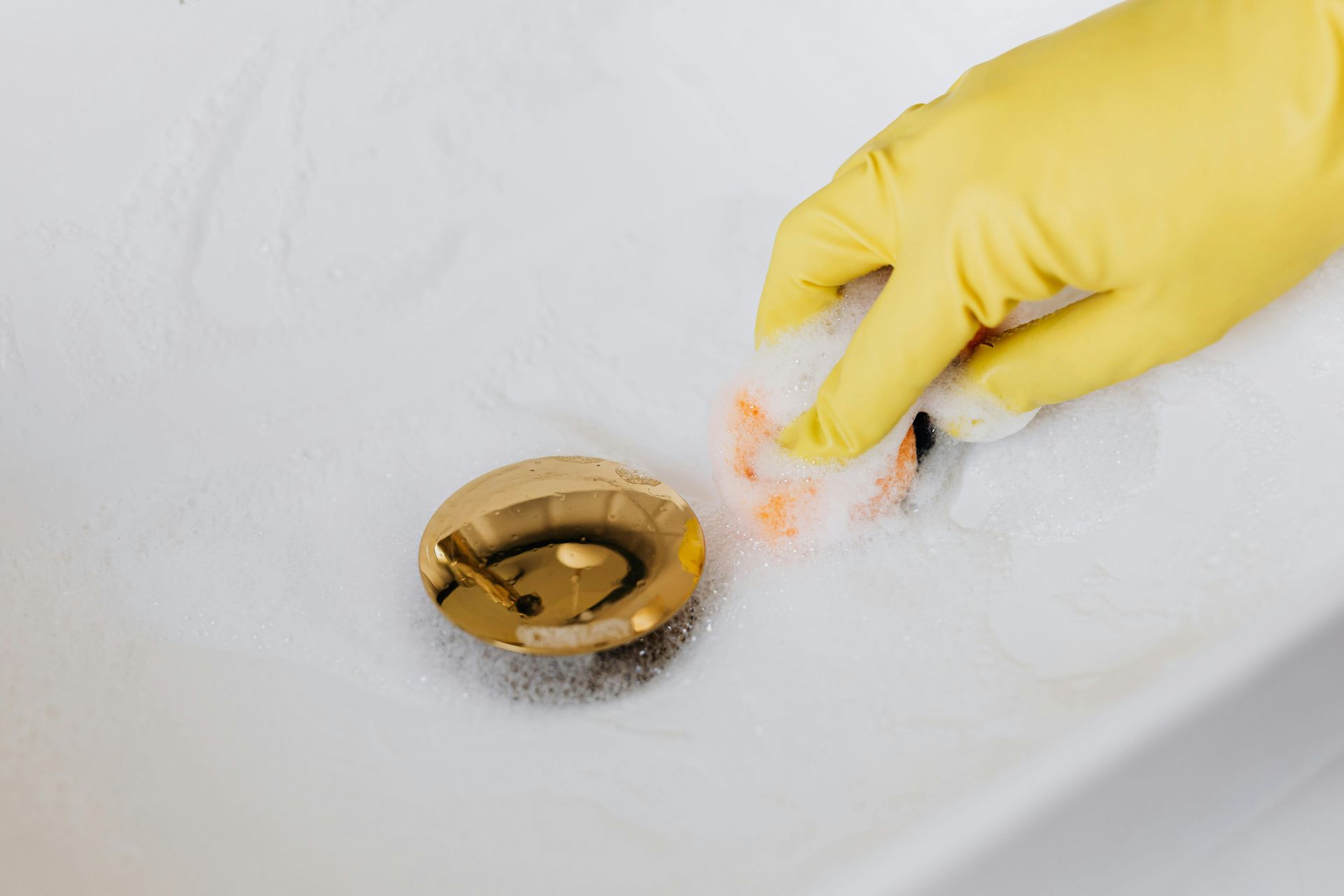
White chalky buildup on faucets and showerheads Spots on glass and dishes Dry skin or dull hair after showers Reduced hot water efficiency Frequent appliance issues